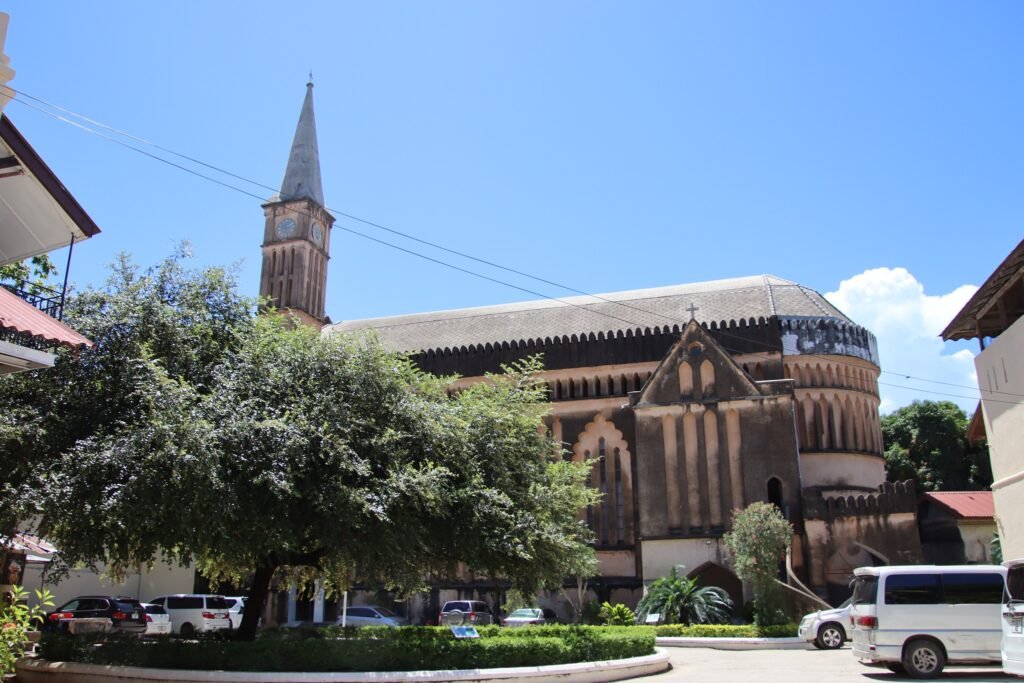
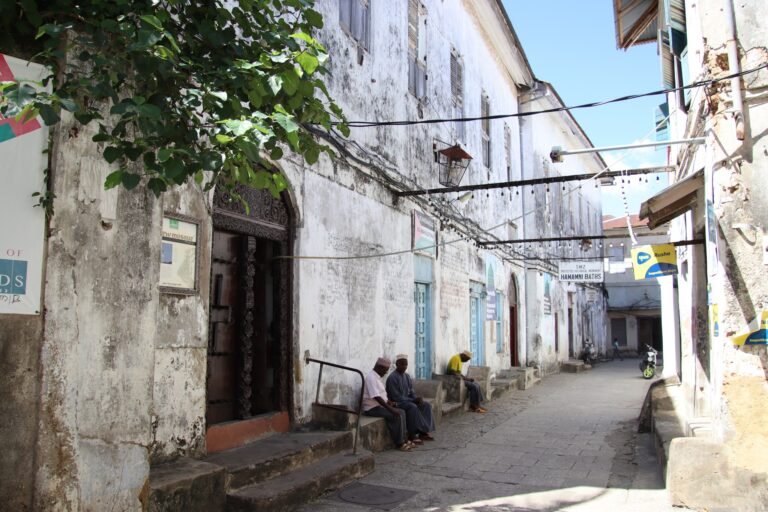
On the one hand is the endless ocean, spreading its azure and green into the unknown horizon. On another page of Zanzibar tour rests the bright sunny walk through a labyrinth of alleys shouting at us their rich history of artistic doors, the smell of spices and chatter of people. Turn another page and you stand inside Anglican Cathedral, an architectural wonder of Gothic and Arabian influence, with its high alter, vaulted ceiling and pointed arches.
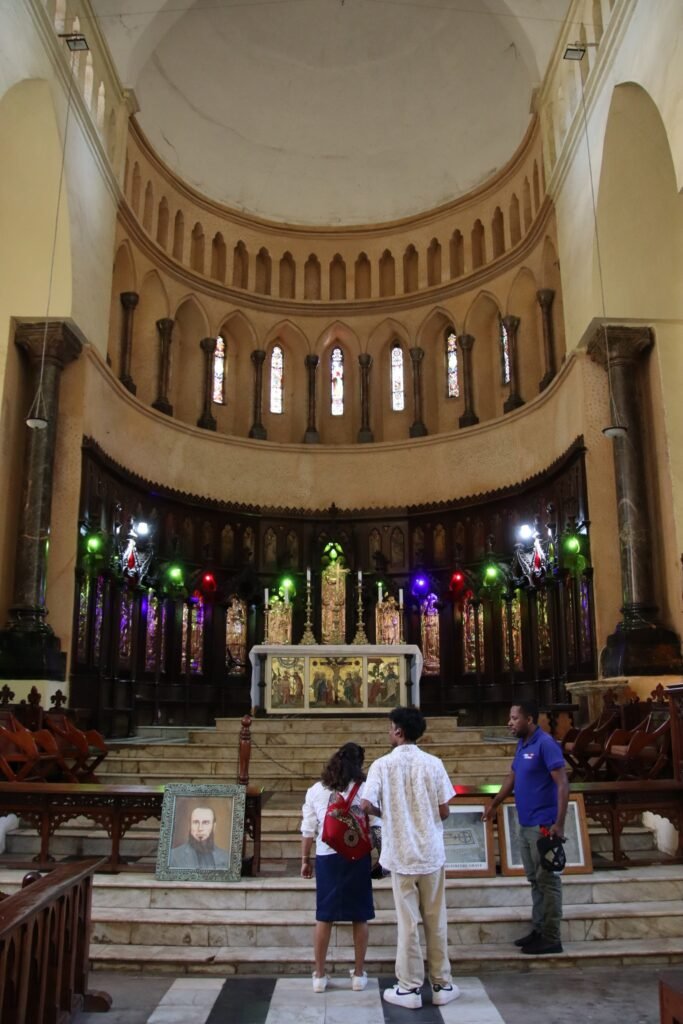
This high altar of the cathedral stands tall with a stunning, intricately carved wooden screen and vibrant stained-glass windows, which filter a soft, reverent light over this site of historic reconciliation. And this is where the almost-perfect story that is Zanzibar, tragically ends. Right in the place of this revered high alter was the Whipping Tree. This specific mango tree was testimony to one of mankind’s most devilish and unforgettable cruelty. It is here that slaves were tied and mercilessly tortured to ascertain their scale of fortitude and acute resilience. The massive mango tree that once was stood ground to the height of human deprivation, where men and women were bound to the trunk and lashed, not for a crime, but to measure their resilience, the human ability to withstand agony without breaking. Their silent endurance ensured a higher price at auction. And while this massacre of human dignity and human rights took place, history stood still, a silent inactive observer in the midst of this mayhem.
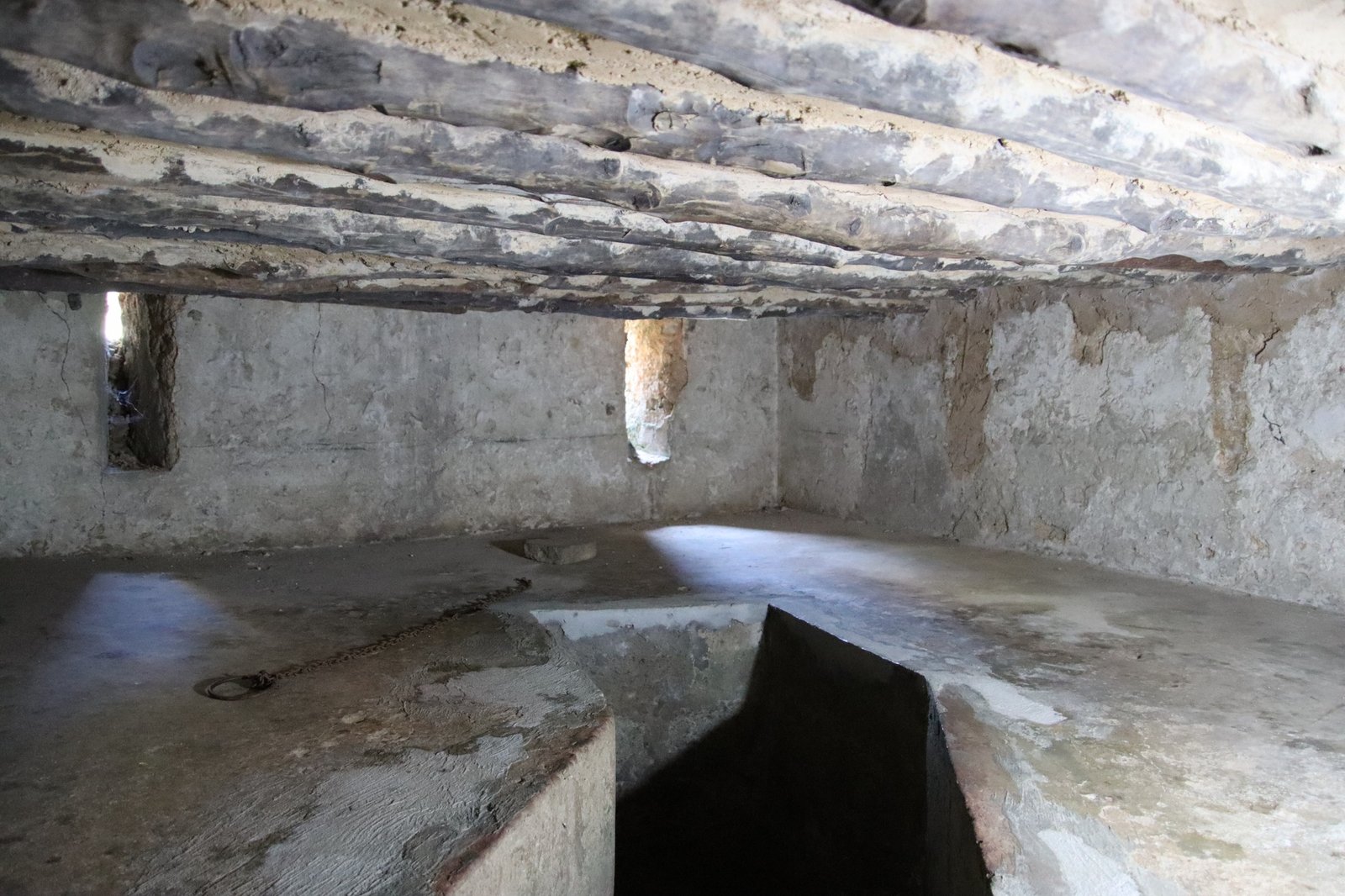
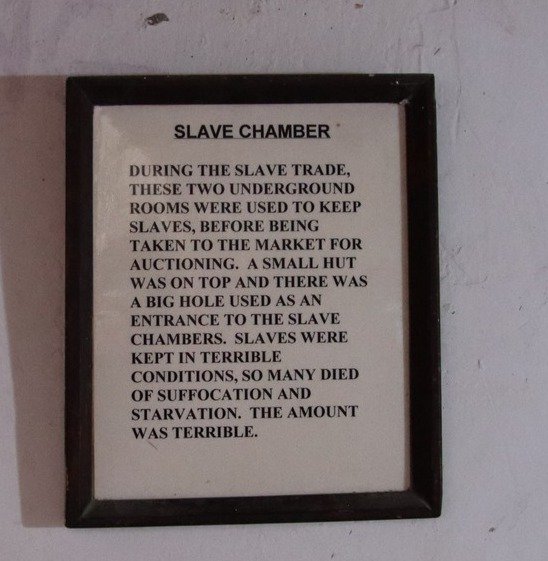
The bright Zanzibar sun takes leave of you as you take a step inside the slave chamber. Steep narrow stairs lead you down into the bellies of the earth. As you go further down, the air gets chilly and dank, the kind that sticks to your skin. And you reach the entrance of two rooms, one for men and the other for women and children. Small narrow rooms, with low ceiling, built with the deliberate attempt of keeping the tall men hunched as they stand, their arms firmly chained to the ceiling. Two tiny slits were the ‘windows’ to let the air in. As many as fifty men were cramped into that tiny room, not fit for holding cattle. They stood through the night, hands tied above, hunched because of their height…
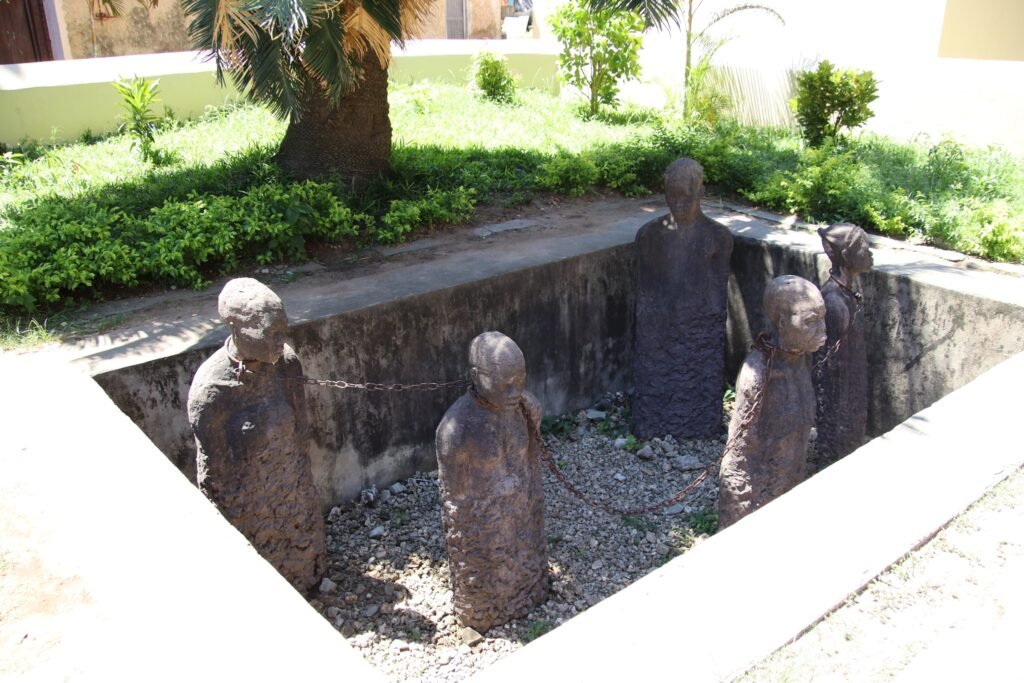
If cruelty had an ultimate form, it was this. This was an impossible truth to absorb. A form of human depravation and agony that other humans would inflict. Standing there, in that cold dark chamber, one could almost smell the sweat of fifty human beings cramped in unthinkable conditions, stripped of all human dignity. This was an acutely haunting experience, no less.
Much after we stepped back into the sunlight of our world and continued our day tour, our minds kept wandering back. Where the slave market was, now stands a Jojoba tree. Where the inhuman torture was carried out in public view, now stands the high alter of the church. The relics of the darkest chapters of human history today stands covered in beauty and reverence. The cries for help, for mercy of hundreds of men, women and children still echo through the many colours of the magnificent alter, in the sun-bathed bright green leaves of the Jojoba tree.
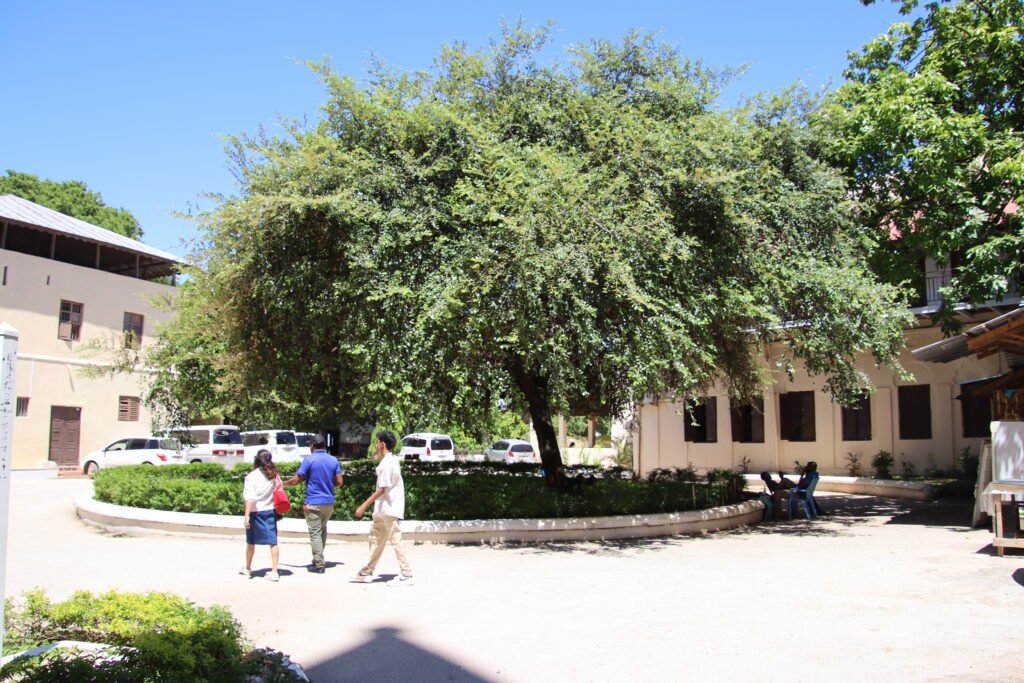
Humans have hence built the most splendid of architectural creations and rendered the most poignant of tributes in museums to lend some semblance of dignity and homage to the souls who suffered endlessly. But can these solemn testaments and spiritual penance dispel from our consciousness the magnitude of cruelty inflicted on the helpless? Do the splendid church domes to this day not hear the harrowing echoes of the stones? Can any stone wall ever stifle the painful aching cries of misery? These haunting stories shall continue to seep through the pages of history forever.
Written described so well but in brief I feel about the place how to reach, when to visit.